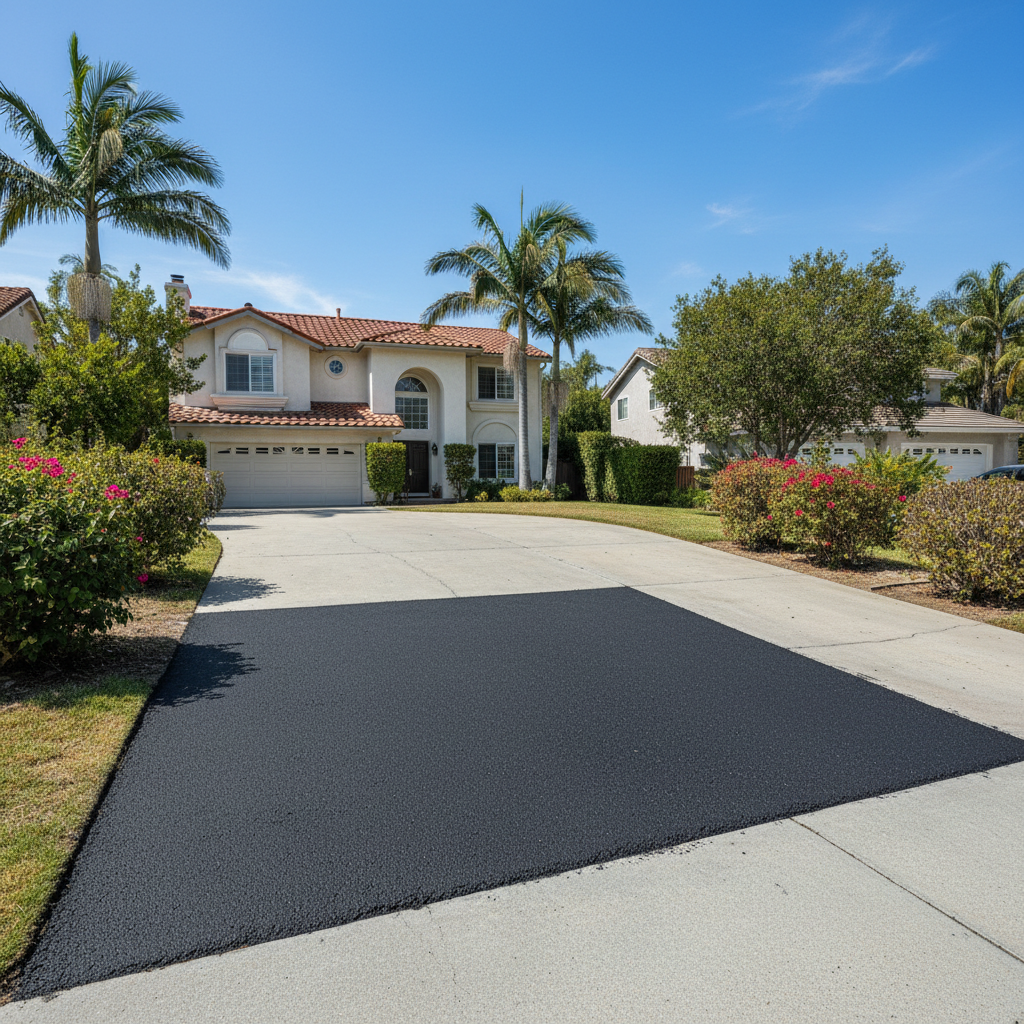
So, you've put some money into asphalt patching for your driveway or parking lot right here in Long Beach. Smart move. You got those potholes, cracks, or worn-out spots fixed up. Now, the big question is, how do you make sure that repair actually lasts? You definitely don't want to be calling me back in six months for the same exact spot, do you? I see it constantly — people think once it's patched, it's good forever. But that's just not how it works, especially with our California sun beating down and those occasional heavy rains.
Making Your Asphalt Patch Last Longer
The best thing you can do for any asphalt work, especially a patch, is to keep it clean and sealed. Think of it like taking care of your car's paint job. You wouldn't just leave it out in the elements without a wash or wax, right? For asphalt, that means a few key things.
- Sealcoating is the absolute best: This is probably the most effective thing you can do, hands down. A good sealcoat acts like sunscreen for your asphalt. It protects it from those brutal UV rays we get here in Southern California, which stops the asphalt from oxidizing and getting brittle. It also helps repel water and oil spills. I usually tell folks to sealcoat every 2-3 years after a patch, but it really depends on how much traffic it sees and how much sun it gets.
- Drainage, drainage, drainage: Water is asphalt's arch-nemesis. If you have standing water on or near your patch, it's going to seep in, even through tiny cracks. When that water freezes and thaws (not a huge problem in Long Beach, but it can happen during colder snaps or if you're up in the mountains), it expands and contracts, literally tearing the asphalt apart. Even without freezing, constant moisture just weakens the base. So, make sure your gutters are clear and that water flows away from your paved areas, not towards them.
- Watch the heavy loads: If you've just had a patch done, try to keep super heavy vehicles off it for at least a few days, sometimes longer depending on the patch type and the weather. Asphalt needs time to cure and compact, you know? Even after that, consistently parking heavy equipment or trucks on the same spot can really stress the patch and the pavement around it.
Regular Maintenance: What You Should Actually Be Doing
This isn't rocket science, really, but it does need a little bit of attention. You don't have to be out there every day, but a quick check every few months can save you a ton of headaches and money down the road.
- Keep it tidy: Sweep off dirt, leaves, and other debris regularly. Organic matter can hold moisture right against the asphalt, and sharp bits can cause minor abrasions.
- Clean up spills right away: Oil, gas, and other chemicals are just awful for asphalt. They break down the binder that holds all the aggregate together. If you spot a spill, clean it up as fast as you can. Grab some absorbent material, like cat litter, and then sweep it away.
- Check for new cracks: Small cracks can turn into huge potholes in a flash. If you start seeing new hairline cracks forming around your patch, especially if they're connected to the patch itself, it's time to think about crack filling. Don't wait until you can stick your finger in them.
Warning Signs That Something's Wrong
You're not a pavement expert, and you don't need to be one. But you can definitely spot the signs that something isn't quite right. Here's what to keep an eye out for:
- New cracks appearing: Like I said, any new cracks — especially if they look like spiderwebs or alligator skin — mean the underlying structure might be failing or the surface is just drying out.
- Fading or dullness: If your asphalt looks gray instead of that rich black, it's a sign that the sun's UV rays are breaking down the binder. This means it's losing its flexibility and getting brittle, making it much more likely to crack. A good sealcoat will bring that color back and protect it.
- Potholes or dips near the patch: If new potholes are forming right next to your patch, or if the patch itself is sinking, that's a big red flag. It could mean there's a problem with the sub-base, or maybe the patch wasn't installed correctly to begin with.
- Loose aggregate: If you're seeing small stones coming loose from the surface of your patch, that's a clear sign of surface deterioration.
When to Call a Professional (Like Us at Blue Diamond Inglewood Asphalt)
Listen, I own a business, but I'm also here to help you make smart choices. You don't need to call me for every tiny little thing, but there are definitely times when a pro's eye is absolutely essential.
- Lots of cracking: If you've got a whole network of cracks that look like an alligator's skin, that's way beyond a simple DIY fix. It means the base is compromised, and you'll probably need a much more extensive repair than just crack filling.
- Big or deep potholes: If a pothole is bigger than a dinner plate or deeper than a couple of inches, it needs professional attention. Trying to fill it yourself usually just leads to a temporary fix that fails quickly.
- Drainage problems: If you consistently have standing water on your paved areas, especially after our winter rains, you might need a professional to check your grading and drainage. This is super important for preventing future pavement damage.
- When you're just not sure: Honestly, if you're looking at something and you're not sure what it is, just give us a call. We're happy to come out, take a look, and give you an honest assessment. Sometimes it's a simple fix, sometimes it's something more. It's always better to know than to let a small problem turn into a huge, expensive headache. We've seen it all, from the old, sandy soil foundations in some of the older Long Beach neighborhoods to the newer developments. We know what works here.