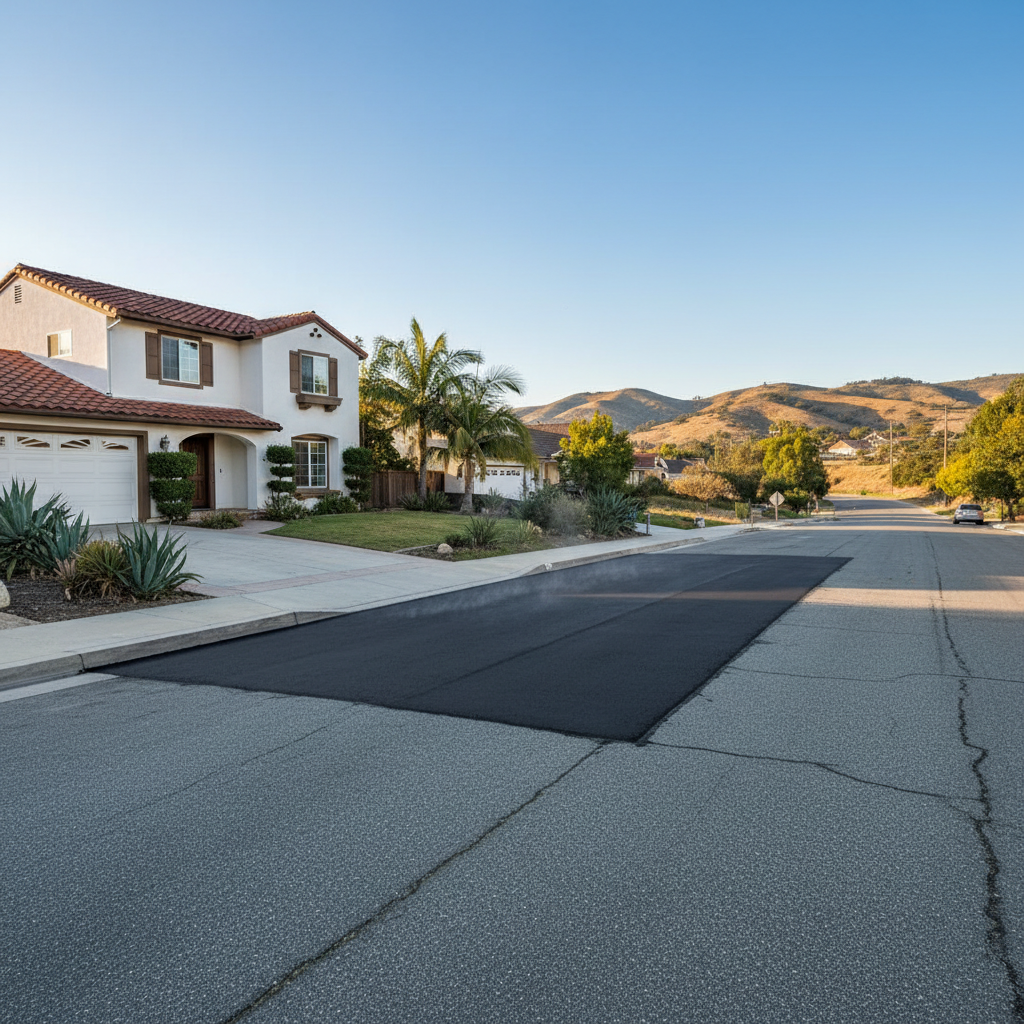
You've seen 'em. Those ugly cracks and potholes that pop up in asphalt driveways and parking lots all over Long Beach. It's not just an eyesore; it's a tripping hazard, it can damage vehicles, and if you let it go, it's going to cost you a lot more down the line. When it comes to fixing these issues, specifically with asphalt patching, you might think it's all the same no matter who you call. But I'm here to tell you, from years of experience working right here in our city, that local expertise really does matter.
Why Long Beach Asphalt Needs Special Attention
Think about our weather. We get that intense summer sun baking down on everything, then those cooler, damp winter mornings. That constant expansion and contraction is tough on asphalt. Then you've got the salt air, especially closer to the coast in places like Belmont Shore or Naples, which can accelerate deterioration. It's not like patching asphalt in, say, Arizona or even inland parts of California. Our specific climate means you need a patching method that can stand up to these cycles.
Another thing I've seen over the years is the soil conditions. Long Beach, especially in some of the older neighborhoods like Bixby Knolls or even parts of North Long Beach, can have some pretty expansive clay soils. When those soils get wet, they swell, and when they dry out, they shrink. This movement underneath your asphalt can cause all sorts of stress, leading to cracks and potholes even if the asphalt itself was laid well. A good patch job isn't just about filling a hole; it's about understanding what might be causing that hole in the first place and making sure the repair holds up to those underlying conditions.
Common Patching Projects Around Here
We do a lot of work for homeowners in neighborhoods like California Heights, fixing up driveways that have seen better days. Maybe a tree root pushed up the asphalt, or just general wear and tear from years of cars parking on it. For businesses, especially in commercial areas along Atlantic Ave or near the port, parking lots are constantly getting heavy traffic. Those high-traffic areas, like where delivery trucks turn or where cars stop and start frequently, are prime spots for potholes to form.
We also see a lot of utility cuts. You know, when the water company or gas company digs up the street or your driveway to fix a line. They'll do a temporary patch, but it's usually not designed to last. That's where we come in to put down a permanent, durable patch that blends in and stands the test of time. It's about restoring that surface so it's safe and looks good again.
What a Good Patch Job Looks Like
When Blue Diamond Inglewood Asphalt does a patch, we don't just dump some cold patch mix in a hole and call it a day. That's a temporary fix at best, and it won't last long, especially with our local conditions. A proper asphalt patch involves:
- Cutting out the damaged area cleanly, usually in a square or rectangle. This creates strong, straight edges for the new asphalt to bond to.
- Preparing the base. This is crucial. If the base underneath is unstable, your new patch won't last. We'll compact it, maybe add some new aggregate if needed.
- Applying a tack coat. This is like a glue that helps the new asphalt adhere to the old, preventing separation.
- Laying down new, hot asphalt mix. This is compacted thoroughly to match the surrounding surface.
The goal is to create a seamless repair that's as strong, or stronger, than the original pavement. You want a patch that you barely notice, not one that sticks out like a sore thumb or starts failing a few months later.
So, next time you're looking at those cracks or potholes, remember that it's not just about getting it fixed, it's about getting it fixed right, by people who understand the unique challenges of building and maintaining asphalt right here in Long Beach. It'll save you headaches and money in the long run.