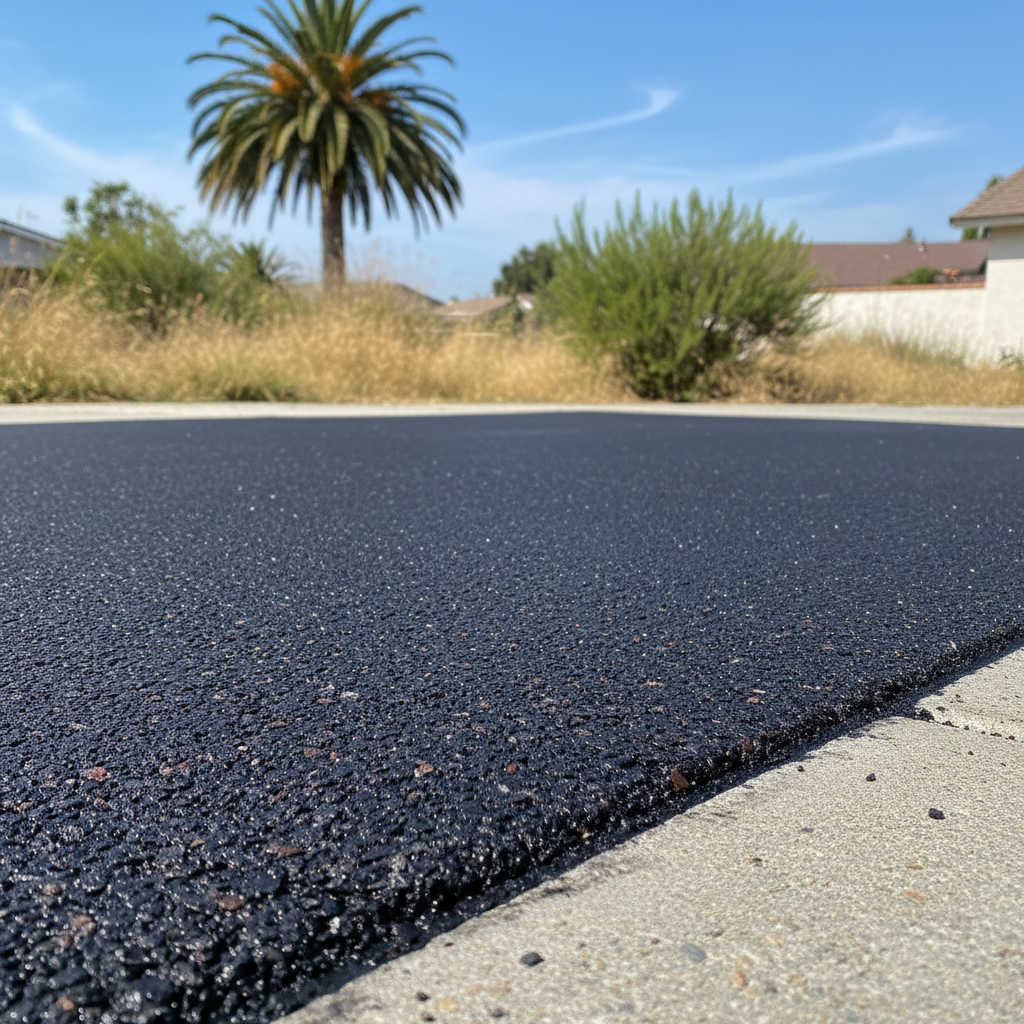
Alright, let's talk about those annoying cracks and potholes popping up in your asphalt driveway. I see them all the time, especially with our coastal weather and the way the ground shifts around here in places like Belmont Shore or Naples Island. You might be wondering if you can just patch it up yourself, or if you really need to call someone like us.
Understanding Your Asphalt Problem
First off, you gotta figure out what kind of damage you're actually dealing with. Not all cracks are created equal, and neither are all potholes, you know?
- Small Cracks (under 1/2 inch wide): These are often just surface-level. They happen from sun exposure, water getting in, or just general wear and tear. Usually, you can handle these yourself.
- Larger Cracks (over 1/2 inch wide) & Alligator Cracking: When your driveway starts looking like an alligator's back, that's a sign of a deeper problem. The base underneath is probably failing, and just filling the cracks won't solve it long-term.
- Potholes: These are depressions where the asphalt has completely broken away. Small ones might be DIY-friendly, but bigger, deeper ones usually mean more serious sub-base issues.
If you're seeing extensive cracking, multiple deep potholes, or areas that are sinking, that's usually a sign it's beyond a simple DIY patch. The foundation of your driveway is compromised, and just slapping some cold patch on top isn't going to cut it. You'll be patching it again in a few months, I guarantee it.
DIY Asphalt Patching: What You Can Do
For those smaller cracks and shallow potholes, you absolutely can do some patching yourself. It's not rocket science, but you do need to do it right for it to last.
Before You Start: Get Your Tools & Materials
You'll need:
- A stiff broom or wire brush
- A shovel or trowel
- A tamper (a hand tamper or even a piece of 2x4 for small spots works)
- Gloves and safety glasses
- Cold patch asphalt (you can find this at most hardware stores)
- Crack filler (for those smaller cracks)
The Patching Process: Step-by-Step
- Clean It Out: This is crucial, really. Get all the loose debris, dirt, and any vegetation out of the crack or pothole. Use your broom or wire brush. If there's water, let it dry completely. A leaf blower can help speed this up.
- Prepare the Edges: For potholes, try to make the edges as vertical as possible. This helps the new patch lock in better. You might need a chisel and hammer for this on tougher spots.
- Apply Crack Filler (for cracks): If you're just doing cracks, squeeze the filler into the crack, slightly overfilling it. Then, use a trowel or squeegee to level it off.
- Apply Cold Patch (for potholes): Shovel the cold patch into the pothole in layers, about 1-2 inches at a time. Tamp each layer down firmly. You want to slightly overfill the hole, creating a small mound.
- Tamp It Down Hard: This is where most DIYers mess up. You need to compact that cold patch as much as possible. Walk on it, drive your car over it slowly, or use a heavy tamper. The more you compact it, the longer it'll last. It should be level with the surrounding asphalt, or just slightly mounded.
After you're done, try to keep heavy traffic off it for at least 24-48 hours, especially if it's a hot day. The sun helps cure cold patch, but too much immediate pressure can displace it.
When to Call a Professional (Like Us)
Look, I'm all for saving a buck where you can, but there are definitely times when DIY patching is just a waste of your time and money. Here's when you should pick up the phone:
- Large, Deep Potholes: If it's bigger than a dinner plate and more than a couple of inches deep, you're likely dealing with a sub-base issue. We'll need to cut out the damaged section, repair the base, and then lay down new hot asphalt. Cold patch won't hold up to that kind of stress.
- Extensive Alligator Cracking: This means your asphalt is failing from the bottom up. You might need a full remove and replace for that section, or even a complete resurface if it's widespread.
- Sinking or Uneven Areas: If your driveway is sinking or has significant dips, that's a drainage or base problem. Just filling it will only be a temporary fix.
- You Don't Have the Time or Tools: Let's be honest, not everyone has the time or wants to spend their Saturday wrestling with cold patch and a tamper. We've got the heavy equipment and the crew to get it done fast and right.
- You Want It to Last: Hot asphalt, properly installed by a professional, is always going to be more durable and last longer than cold patch. We use commercial-grade materials and techniques that aren't available to the average homeowner.
For bigger jobs, we'll come out, assess the damage, and give you an honest opinion on what needs to be done. Sometimes it's a simple patch, other times it's a more involved repair. We're Blue Diamond Inglewood Asphalt, and we've been doing this for a long time, so we know what works for Long Beach properties. Don't hesitate to reach out if you're unsure.