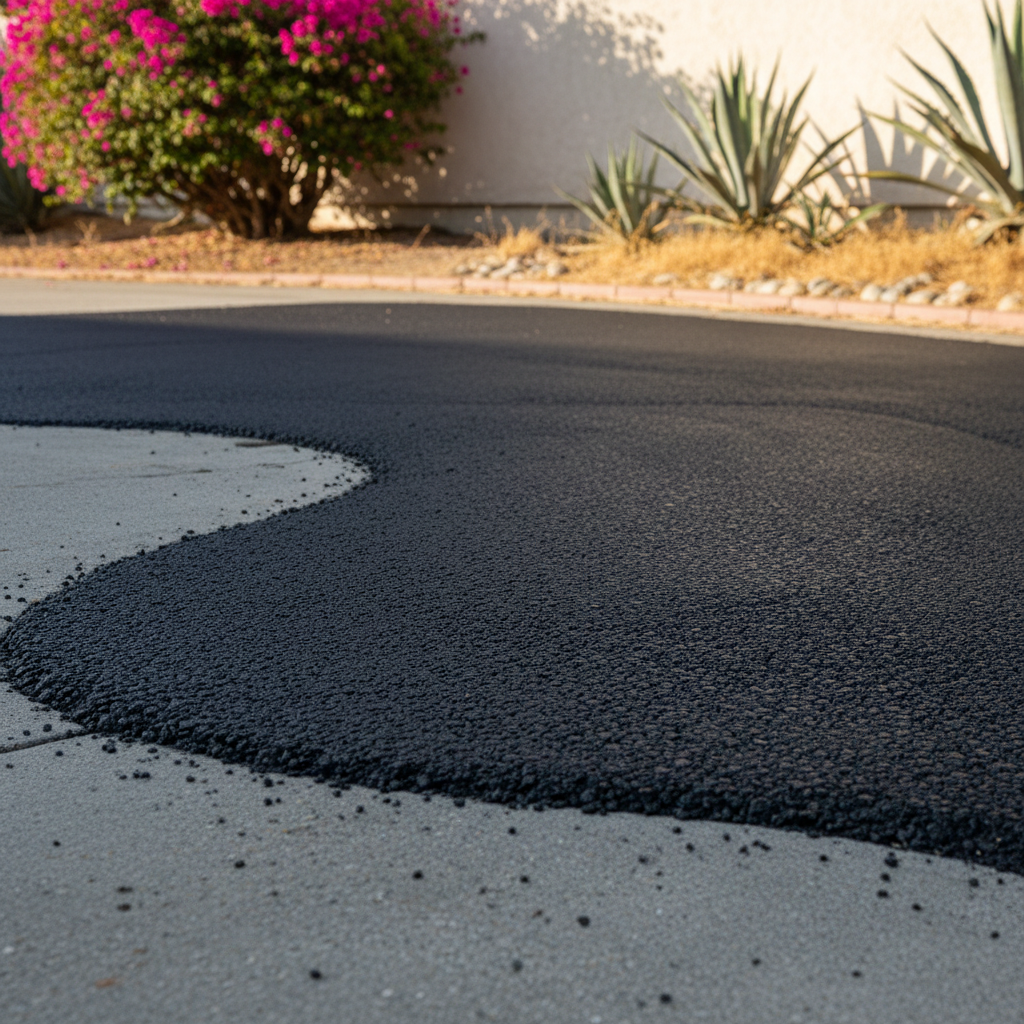
Alright, let's talk about your asphalt driveway or path. Over time, especially with our hot Long Beach summers and those occasional heavy rains, that smooth surface can start looking a little rough. You see cracks, maybe a pothole or two, and you start wondering, "Can I fix this myself, or do I need to call someone?" It's a common question, believe me, and I'm here to give you the straight scoop on asphalt repair for homeowners.
Before You Start: Assess the Damage
First things first, take a good, hard look at what you're dealing with. Not all damage is created equal, you know. You've got different types of cracks and varying sizes of potholes, and each one tells you something about the underlying issue and how tough the fix will actually be.
- Hairline Cracks: These are usually just surface-level. Think of them like fine lines on your skin. They often pop up because the asphalt is drying out or there's been some minor shifting.
- Alligator Cracks (Fatigue Cracking): This looks like, well, alligator skin. It's a whole network of interconnected cracks, usually a sign that the base layer underneath is failing or that section is bearing too much weight. This is a bigger deal, no doubt.
- Potholes: These are depressions or holes where the asphalt has completely broken away. Water gets in, freezes (not often here, but it happens up the coast!), expands, and then traffic breaks up the weakened spot. Or, more commonly in Long Beach, water just sits, softens the base, and then cars finish the job.
- Raveling: This happens when the aggregate (those small stones in the asphalt) starts to come loose from the binder, making the surface rough and crumbly.
Your assessment here is absolutely key. It's going to guide your next steps.
What You Can (Probably) DIY
For the smaller stuff, you can absolutely roll up your sleeves and get to work. I've seen plenty of homeowners do a decent job on these types of repairs.
- Hairline Cracks: These are prime candidates for DIY. You can buy liquid crack filler at any hardware store. Clean out the crack thoroughly – get rid of any dirt or loose bits. Then, just pour the filler in. Make sure it's a warm day, so the filler flows well and cures properly. Follow the product instructions, but generally, you want to slightly overfill and then squeegee it level.
- Small Potholes (up to 4-6 inches across): For these, you can use cold patch asphalt. It comes in bags, and it's pretty user-friendly. Clean out the pothole first, removing any loose debris, dirt, or standing water. You want a solid, clean edge. Then, shovel in the cold patch, making sure to slightly overfill it. You'll need to compact it. A hand tamper works, or you can drive over it a few times with your car. The more you compact it, the better it'll hold.
The trick with DIY is preparation. Don't skip that cleaning step. If you fill a crack or pothole full of dirt, it won't bond right, and you'll be doing it again in a few months, won't you?
When to Call in the Pros
Now, here's where my experience as a contractor comes in. There are definitely times when trying to DIY is just throwing good money after bad, or worse, making the problem harder to fix later. If you're seeing any of these, it's time to pick up the phone.
- Alligator Cracks: This isn't just a surface problem. That 'alligator skin' tells me the base underneath is compromised. You can fill the cracks, but they'll just come back because the foundation is weak. A professional crew will likely need to remove that section, address the base, and then lay down new asphalt.
- Large Potholes (bigger than 6 inches across or deep): While you can fill a big pothole with cold patch, it's often a temporary fix. Large potholes often indicate significant base failure, and a cold patch won't solve that. Plus, getting proper compaction on a large area with hand tools is tough. We've got the heavy equipment to do it right, ensuring a lasting repair.
- Extensive Raveling or Deterioration: If your driveway looks like it's crumbling everywhere, you might be past spot repairs. This could mean your asphalt is old, wasn't installed correctly, or has suffered from years of neglect. At this point, you're probably looking at resurfacing or even a full replacement, which is definitely a job for professionals.
- Drainage Issues: If you've got standing water on your driveway after it rains, that's a big problem that leads to all sorts of asphalt damage. Patching won't fix poor drainage. We can assess the grade and suggest solutions, whether it's adding a drain or re-sloping the asphalt. Around here, especially in areas like Belmont Shore where the water table can be a factor, proper drainage is crucial.
- Any Structural Issues: If you see sinking areas, buckling, or places where the asphalt is pushing up, that's a sign of serious underlying issues with the sub-base or even tree roots. Don't mess with these yourself; you could make it worse.
Look, my company, Blue Diamond Inglewood Asphalt, we do this stuff every day. We've got the right tools, the right materials, and the know-how to diagnose the root cause of the problem, not just patch over the symptoms. Sometimes, a professional repair, even if it costs more upfront, saves you a lot of headaches and money in the long run.
After the Repair: Maintenance Matters
Whether you DIY or hire a pro, your job isn't done once the patch is laid. Maintenance is how you protect your investment, plain and simple.
- Keep it Clean: Sweep off dirt, leaves, and debris regularly. Don't let oil or gas spills sit; clean them up immediately as they can break down the asphalt binder.
- Sealcoating: This is like sunscreen for your asphalt. It protects it from UV rays, water penetration, and chemicals. You should aim to sealcoat every 2-3 years. It'll extend the life of your driveway significantly.
- Address New Cracks Promptly: Don't wait for a small crack to become a big pothole. As soon as you see a new crack, fill it. It's much easier and cheaper to deal with small issues.
- Watch for Heavy Loads: Try to avoid parking heavy RVs or construction equipment on your residential driveway for extended periods, as it can put undue stress on the asphalt, especially if the base isn't designed for it.
Taking care of your asphalt isn't rocket science, but it does require a little attention. A well-maintained driveway not only looks better but also adds to your home's curb appeal and value. So, take a good look at your asphalt, decide what you can handle, and don't hesitate to call in the cavalry when you need us.