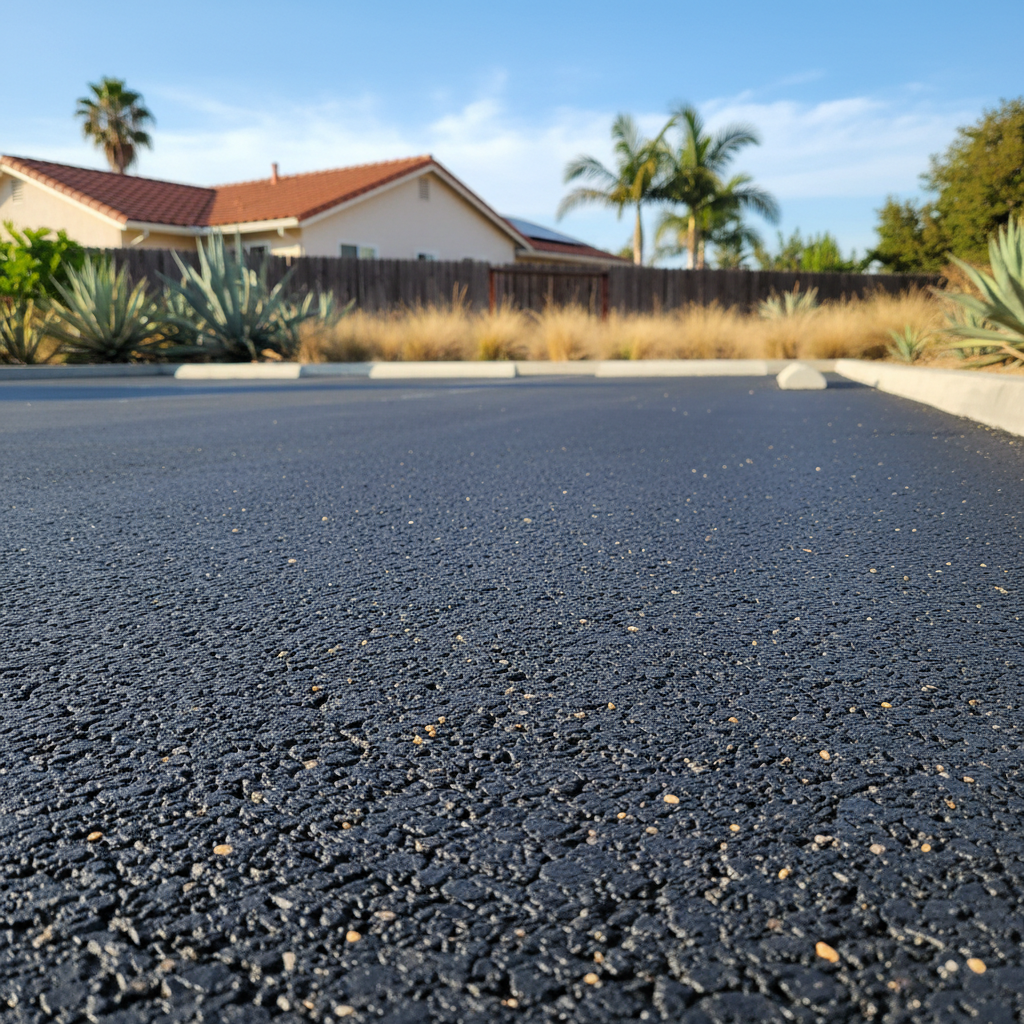
Do I even need a 'parking lot' at my house? I just have a driveway.
That's a fair question, and honestly, for most single-family homes, you're probably thinking more about a driveway or an expanded parking pad, not a full-blown commercial parking lot. But the basic ideas are pretty much the same. If you've got a bigger property, maybe a multi-unit place, or even just a large area where cars park and move around regularly, thinking of it like a 'parking lot' helps you consider things like how tough it needs to be and how water will drain. It's all about making sure the surface can handle the weight and daily traffic without falling apart in a year or two. For a typical Long Beach home, especially those older ones in spots like Belmont Shore where street parking is tight, an extra paved spot can really save the day. We're talking about building a solid, long-lasting surface for your vehicles, whether that's just one car or several.
Asphalt or concrete for a residential parking area? What's the real difference?
This is probably the question I get asked most often. Both asphalt and concrete have their good points and bad points for home use. Asphalt, which is our specialty here at Blue Diamond Inglewood Asphalt, is generally more flexible. It handles our local soil movement and temperature swings better, so it doesn't crack as much as concrete. It's also usually quicker to put in and cure, meaning you can drive on it sooner. Plus, fixing asphalt is often easier and less noticeable. You can patch it right up. On the other hand, concrete is super durable and can last a very, very long time if it's installed correctly. Some folks think it looks cleaner, especially if you want a lighter surface. But it costs more upfront, takes longer to cure, and when it cracks, well, that's a bigger, more expensive repair job. For most residential parking areas, especially if you're looking for something affordable, tough, and easy to keep up, asphalt is usually the smart choice. It's strong, and it holds up well to all the sun we get around here.
How long does a residential asphalt parking area typically last in Long Beach?
You're looking at a good 15 to 20 years, sometimes even longer, if we install it right and you do some basic upkeep. What's 'basic maintenance'? I mean things like sealcoating every few years and patching any small cracks or potholes as they show up. Think of sealcoating like sunscreen for your asphalt — it protects it from the sun's UV rays, oil spills, and water getting in, which are asphalt's biggest enemies. Here in Long Beach, with our constant sunshine, that UV protection is even more important. If you just ignore it, you'll see it wear down much faster. But with just a little bit of care, your paved area will work great for decades.
What about drainage? My backyard gets swampy after a good rain.
Drainage isn't just important; it's absolutely essential. If water just sits on your paved surface, it will eventually seep underneath, wash away the base, and cause cracks, potholes, even structural problems. You'll end up with a real mess. When we're planning a new parking area, we always think about the slope and how water will run off. Sometimes that means grading the area so water naturally flows to a permeable spot like grass or a drain. Other times, you might need a trench drain or a catch basin, especially if your property has a low spot or if you're paving a big area. We want to make sure water moves away from your home's foundation and doesn't pool anywhere on the asphalt. It's all about avoiding future headaches and making sure your investment lasts.
Can I pave over my existing dirt or gravel parking area?
Sometimes, yes, but not always, and it really depends on what's underneath. If you've got a stable, well-packed gravel base that's been there a while and drains well, we might be able to put asphalt directly over it after some prep work. We'd still need to make sure the base is thick enough and that there aren't any soft spots. But if your existing dirt or gravel is uneven, full of weeds, or doesn't drain well, then we'll need to do more work. That usually means digging out the old stuff, grading the area properly, and putting in a new, solid aggregate base. Trying to pave over a bad base is like building a house on sand — it's just going to fail, and you'll be paying for repairs much sooner than you'd expect. We'll always check out your specific situation and give you an honest opinion about what's truly needed.
What's the process like? How long does it take from start to finish?
The whole thing usually kicks off with a site visit. I'll come out, take a look at your property, measure the area, and we'll chat about what you're hoping for. We'll discuss asphalt or concrete, drainage, and any special considerations. Then I'll put together a detailed quote for you. Once you give us the go-ahead, we schedule the work. The actual paving itself can take anywhere from a day to a few days, depending on how big and complicated it is. For a typical residential parking pad, we're often talking about digging, preparing the base, and paving all within a couple of days. You'll usually need to stay off the new asphalt for 24-72 hours to let it cure properly. We try to be as efficient as possible without cutting corners, so you get a quality job done right the first time. We'll keep you updated every step of the way.
How much does it cost? I'm worried about breaking the bank.
I totally get it, home improvements are an investment. The cost really changes a lot based on a few key things: the size of the area you want paved, whether we need to pull up old material or just work with what's there, the thickness of the asphalt or concrete, and any drainage solutions you might need. Things like grading, putting in new aggregate, or adding curbing will all impact the final price. Because every job is unique, it's tough to give a general number without actually seeing the site. That's why I always suggest getting a free, no-obligation estimate. We'll come out, check out your specific needs, and give you a clear breakdown of the costs. We aim to provide tough, affordable solutions that fit your budget and last for years, so you're not constantly throwing money at repairs down the road, you know?