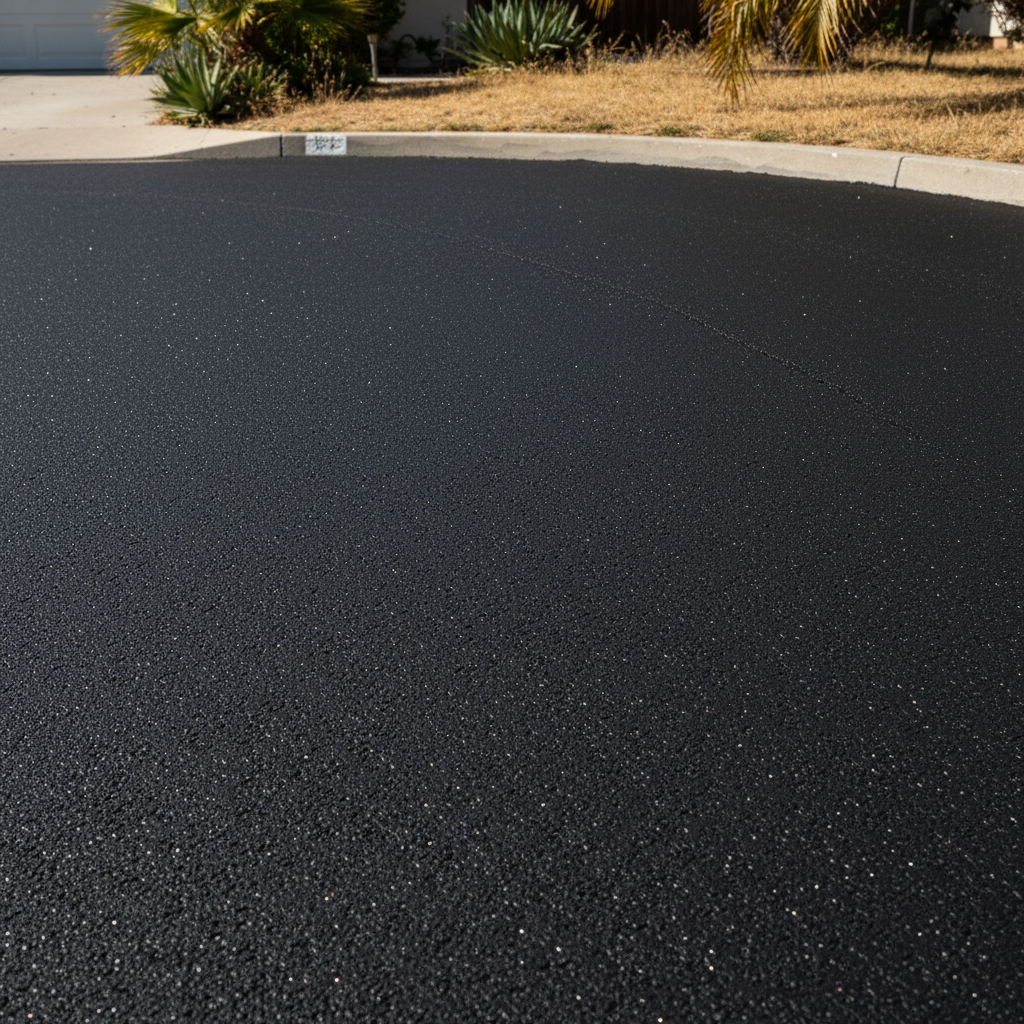
So, you're thinking about a new asphalt driveway, maybe repaving an old one? That's a smart move, really. A good asphalt surface isn't just about looking nice; it's about protecting your property, making things safer, and honestly, just making life a little easier when you pull into your home after a long day.
But hold on a sec before you dive in. There are a few things you really ought to know. It's not like painting a wall, you know? There's a lot more to it than just pouring some black stuff down. Let's break it down.
Before You Start: Planning & Prep
This is where most folks either save themselves a ton of headaches or create them. The biggest mistake I see homeowners make is not understanding the groundwork. I'm talking about what's underneath that asphalt, the stuff you don't even see.
- Figure Out What You Need: Is this a brand new driveway? Or are you tearing out an old concrete or asphalt one? If it's new, you'll need proper excavation and a good, solid base. If you're tearing something out, you've got to factor in removal and disposal.
- Drainage is Absolutely Key: Seriously, water is asphalt's worst enemy. You absolutely have to think about how water will flow off your driveway. Will it pool up? Will it run into your garage or your neighbor's yard? In Long Beach, especially with our occasional heavy rains, making sure the ground slopes away from your house foundation is non-negotiable. You don't want water sitting there, seeping into the sub-base and weakening everything.
- DIY vs. Hiring a Pro: Look, I'm all for homeowners getting their hands dirty. For small cracks or a bit of sealcoating, you can absolutely do some of that yourself. But for a full paving job, especially if it involves digging, grading, and laying new asphalt, you're really pushing it. This isn't a weekend warrior project. You need heavy equipment, specific materials, and real experience to get the right compaction and slope. Trying to do a full paving job yourself usually ends up costing more in repairs down the line than if you'd just hired a pro from the start.
- Get Multiple Quotes: Don't just go with the first person who gives you a price. Talk to a few different contractors. Ask them about their process, what materials they use, and their experience. Make sure they're licensed and insured, too.
During the Project: What to Expect
Once you've picked your contractor and the work starts, it's pretty straightforward, but it's good to know what's happening.
- Digging and Base Prep: If it's a new installation or a full tear-out, they'll dig out the area. Then, they'll lay down and compact a solid aggregate base. This base is super important; it's what actually supports the asphalt. Think of it like the foundation of your house, really.
- Putting Down the Asphalt: The hot asphalt mix gets brought in, spread evenly, and then compacted with heavy rollers. This has to happen quickly and efficiently while the asphalt is hot and pliable. The thickness matters too – a typical residential driveway might get 2-3 inches of compacted asphalt on top of a good base.
- Curing Time: Once it's laid, it needs time to cure. You can't just drive on it right away, that's a recipe for trouble. Your contractor will give you specific instructions, but generally, you're looking at a few days before light traffic and a few weeks before heavy vehicles or parking anything substantial on it.
After the Project: Maintenance & Longevity
You've invested in a new driveway, now you want it to last, right? Good maintenance is absolutely key.
- Sealcoating: This is probably the most important thing you can do. Sealcoating every 2-3 years protects the asphalt from UV rays, water, and chemicals like oil or gas. It's like sunscreen for your driveway, honestly. You can totally do this yourself if you're up for it and the area isn't too big. Just make sure you clean the surface thoroughly first and use a quality sealer. For larger driveways, or if you just don't want the hassle, call a pro.
- Crack Filling: Small cracks will happen over time, it's just a fact of life. Fill them promptly! Don't let them get bigger and let water seep in. Crack filler is readily available at hardware stores, and it's an easy DIY job.
- Clean Up Spills: Oil, gas, and other automotive fluids can break down asphalt. Clean them up as soon as you can.
- Avoid Heavy Loads: Try not to park heavy RVs or equipment on your asphalt for extended periods, especially when it's hot out. It can cause depressions, and nobody wants that.
A well-installed and properly maintained asphalt driveway can last 20 years or more. It really comes down to doing the job right the first time and then taking care of it. If you're in Long Beach and you're looking for a reliable team to handle your asphalt needs, we at Blue Diamond Inglewood Asphalt are always here to help. We know the local conditions, from the sandy soil in Naples to the clay in some of the older neighborhoods, and we know how to build a driveway that stands up to it all.