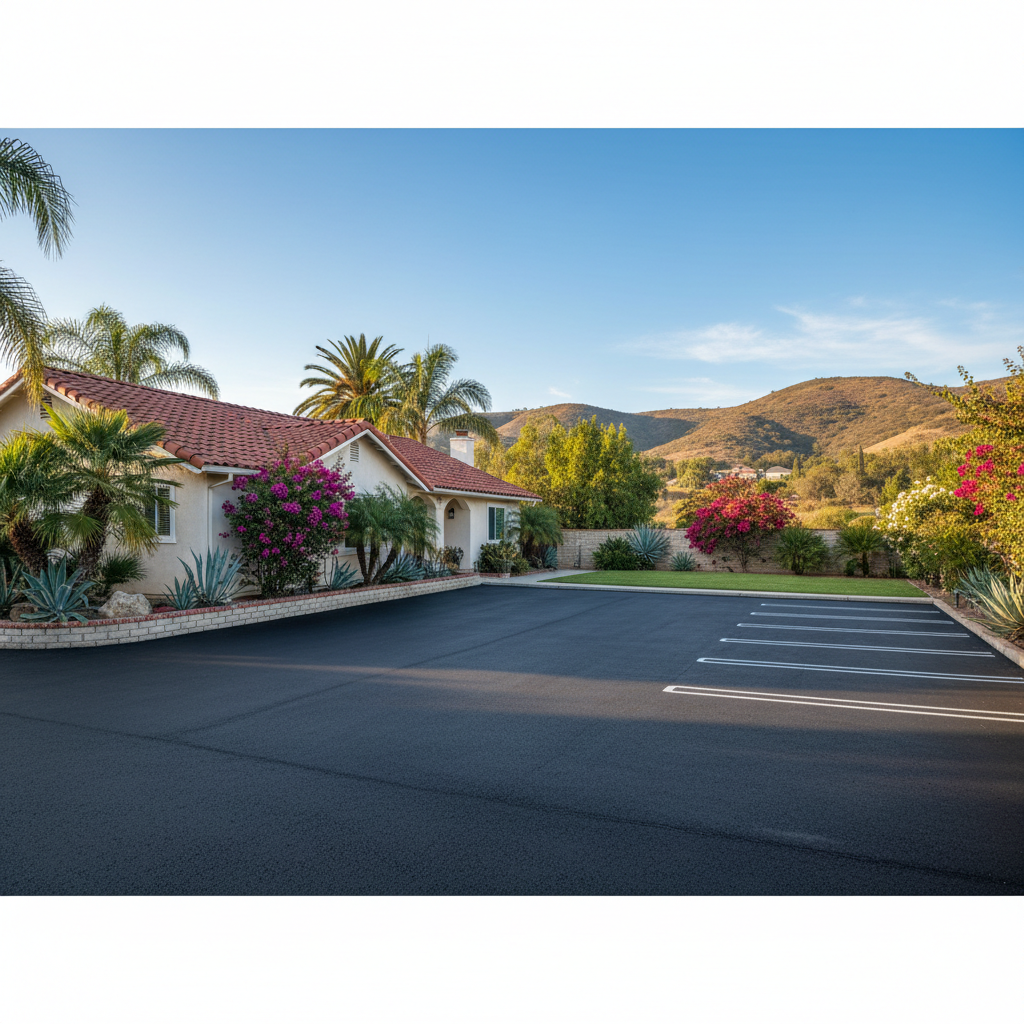
So, you're thinking about putting in a new parking lot, or maybe fixing up an old one, right here in Long Beach. That's a pretty big deal, and you definitely want it done right. As someone who's been laying asphalt for decades, I've seen it all – the good jobs, the bad ones, and the truly ugly. My main goal here is to give you a clear picture of what to expect, from the very beginning to the moment you're driving on your fresh asphalt.
Understanding the Timeline: How Long Does This Really Take?
Let's talk about how long this all takes. This isn't some quick weekend project you can just knock out, believe me. A typical parking lot paving job, from your first call to the day you can finally use your new asphalt, usually spans anywhere from a few weeks to a couple of months. It really just depends on how big the lot is, how complicated the drainage needs to be, and what kind of shape the old surface is in.
First up, you've got the quoting phase. You'll want to get a few different bids, and that takes time because contractors need to come out, measure everything, and then put together a detailed proposal. Don't rush this part. Once you pick a contractor, then it's all about scheduling. Good contractors are busy, especially during our drier seasons here in Southern California, so you might have to wait a bit for an open spot on their calendar. Then the actual work begins. Depending on the scope – things like excavation, grading, laying the base layer, adding the asphalt layers, compacting it all, and finally striping – the physical work itself could take anywhere from a few days to a couple of weeks. After the asphalt is laid, it needs time to cure, you know? You can't just drive on it immediately. We usually tell folks to stay off it for at least 24-72 hours, sometimes even longer for areas that get heavy traffic, especially if it's a scorching day like we often get in August.
What to Expect During the Paving Process
When we're on site, it's going to be a construction zone, no two ways about it. Expect some noise, some dust, and plenty of heavy equipment. We'll usually start by clearing the area, which might mean pulling up old asphalt or just moving a lot of dirt. Then comes the grading. This step is super important for making sure water drains properly. You really don't want puddles sitting around, especially with our occasional heavy rains that can absolutely ruin a poorly drained lot. After grading, we lay down and compact the base material – typically aggregate. This is the foundation, and it absolutely has to be solid.
Then the asphalt arrives. We bring it in hot, spread it out with a paver, and then compact it using rollers. It's a pretty precise operation. You'll see steam rising off it, and yes, it'll smell like asphalt, obviously. Once the asphalt is down and compacted, we let it cool. Finally, we come back for the striping – that's painting all the parking lines, arrows, and handicap symbols. This usually happens a day or two after the asphalt is laid, once it's cool enough to walk on without leaving marks, if you know what I mean.
Preparing Your Property for Paving Day
Before our crew even shows up, there are a few things you can do to make the whole process go a lot smoother. First, clear the area completely. That means moving any vehicles, equipment, or anything else that might be in the way. If you have landscaping right up against the paving area, you might want to protect it, or just let us know if it needs to be temporarily moved. Make sure we have clear access to the site for our trucks and equipment. If there are any underground utilities we need to be aware of – like irrigation lines, gas lines, or electrical conduits – please point them out. We're always careful, but knowing exactly where they are helps us avoid any costly surprises. Oh, and it's a good idea to let your neighbors know what's happening. A heads-up about the noise and temporary access changes goes a long way, truly.
Crucial Questions to Ask Before Signing a Contract
Before you commit to anyone, you really need to ask some direct questions. This is your hard-earned money, after all, and you deserve clear answers. Here's what I'd want to know:
- What exactly is included in the quote? Make sure it's super detailed. Does it cover excavation, grading, base material, asphalt layers (and how many inches of each), compaction, and striping? Are there any hidden costs lurking?
- What kind of base material do you use, and how thick will it be? This is absolutely critical for how long your lot will last, especially with the heavy clay soils we sometimes see around areas like Bixby Knolls. A good base prevents cracking, plain and simple.
- What's the asphalt mix design, and how thick will the asphalt layers be? Different mixes work best for different uses. For a parking lot, you definitely want something durable.
- What's your warranty? A reputable company like Blue Diamond Inglewood Asphalt stands behind their work, you know? Get all the warranty details in writing.
- Can you provide references? Ask for contact information for a few recent parking lot projects they've finished. And then, call them!
- Are you licensed and insured? Don't even think about working with someone who isn't. Ask for proof of both, seriously.
- What's your plan for drainage? This is huge. You don't want a swimming pool where your parking lot used to be after a rainstorm. They should be able to explain exactly how they'll make sure water runs off properly.
- What's the payment schedule? You typically pay a deposit, then progress payments, and a final payment once everything is done. Be very wary of anyone who asks for all the money upfront.
Asking these questions will really help you tell the pros from the amateurs. A good contractor will be happy to answer all of them thoroughly, without batting an eye. You're making a significant investment in your property, so take your time, do your homework, and you'll end up with a parking lot that serves you well for years to come.